Money idioms are very common in everyday English, especially when people talk about earning, spending, saving, and managing money. In this lesson, you’ll learn common money idioms, what they mean, and how to use them naturally in real conversations.
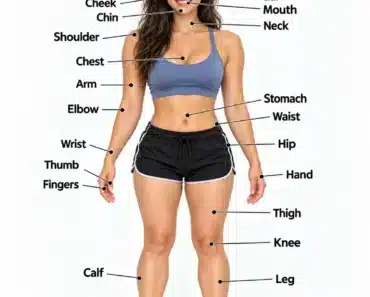
Cost an Arm and a Leg
Cost an arm and a leg means to be very expensive.
- That new car costs an arm and a leg.
- We loved the hotel, but it cost an arm and a leg.
- You don’t have to spend an arm and a leg to get a good laptop.
Make Ends Meet
Make ends meet means to have enough money to pay for your basic living expenses.
- It’s hard to make ends meet on just one salary.
- She works two jobs to make ends meet.
- They were barely making ends meet after the rent went up.
Bring Home the Bacon
Bring home the bacon means to earn money to support yourself or your family.
- She works hard to bring home the bacon.
- His wife brings home the bacon while he takes care of the kids.
- Someone has to bring home the bacon and pay the bills.
Foot the Bill
Foot the bill means to pay the cost of something.
- My company footed the bill for the entire trip.
- Don’t worry about dinner. I’ll foot the bill.
- Who’s going to foot the bill for the repairs?
Break the Bank
Break the bank means to cost more money than you can afford or want to spend.
- We want to go on vacation without breaking the bank.
- A good laptop doesn’t have to break the bank.
- Eating out every night can really break the bank.
Go Dutch
Go Dutch means to split the cost so everyone pays their own share.
- Let’s go Dutch on dinner tonight.
- We went Dutch on our first date.
- Do you want to go Dutch, or should I pay?
On a Shoestring
On a shoestring means with very little money or a limited budget.
- We traveled around Europe on a shoestring.
- They started their business on a shoestring budget.
- She managed to plan the whole wedding on a shoestring.
Tighten Your Belt
Tighten your belt means to spend less money, usually because you need to save.
- We need to tighten our belts until I find a new job.
- After the rent went up, they had to tighten their belts.
- I’m tightening my belt and cutting back on takeout.
Money Talks
Money talks means that money gives people power and can influence decisions.
- They said the house wasn’t for sale, but money talks.
- The company changed its mind after receiving a huge offer. Money talks.
- He got special treatment because he was rich. Money talks.
Save for a Rainy Day
Save for a rainy day means to save money for a time when you might need it.
- I try to save a little money every month for a rainy day.
- It’s always a good idea to save for a rainy day.
- She was glad she’d saved for a rainy day when her car broke down.
Worth Every Penny
Worth every penny means something is worth all the money you paid for it.
- The concert tickets were expensive, but they were worth every penny.
- This jacket wasn’t cheap, but it’s worth every penny.
- We paid a lot for that vacation, but it was worth every penny.
Watch the video below to see these money idioms used in real TV and movie clips.